Как этиленвинилацетат (ЭВА) способствует внедрению устойчивых промышленных практик?
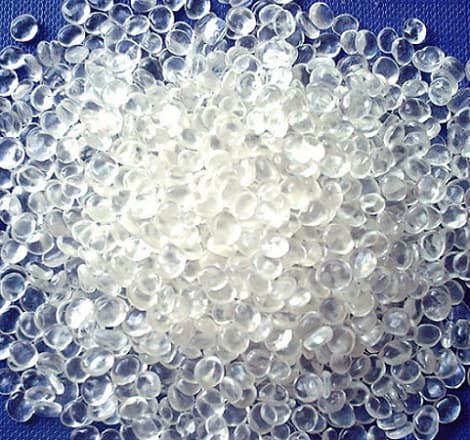
Этиленвинилацетат (ЭВА) Это универсальный термопластичный сополимер, синтезируемый из неполярных мономеров этилена и полярных мономеров винилацетата (ВА). Варьируя соотношение винилацетата — обычно от 10% до 40% для коммерческих марок — производители могут систематически регулировать кристалличность полимера, механическую гибкость, прозрачность и эластичность.
1. Ключевые преимущества и свойства материала
- Гибкость при низких температурах: сохраняет высокую ударопрочность, пластичность и эластичность даже при отрицательных температурах (до -50°C).
- Высокая прозрачность и блеск поверхности: увеличение содержания винилацетата нарушает кристаллическую структуру полиэтилена, что приводит к превосходной оптической прозрачности.
- Стойкость к растрескиванию под напряжением: демонстрирует исключительную прочность и устойчивость к динамической усталости при циклических механических нагрузках.
- Адгезия и термосвариваемость: Полярные ацетатные группы обеспечивают прочную адгезию к полярным субстратам, одновременно снижая температуру начала термосварки.
2. Промышленные применения
Благодаря своему малому весу — примерно на 30% меньше, чем у стандартного ПВХ — и нетоксичности, ЭВА находит применение в широком спектре отраслей:
- Обувная промышленность: уникальная молекулярная структура ЭВА обеспечивает эффективное сшивание и расширение, в результате чего получаются легкие, гибкие и ударопрочные микропористые пенопласты. Эти легкие пеноматериалы из ЭВА широко используются в промышленной амортизации, защитной упаковке, спортивном оборудовании и автомобильных компонентах.
- Термоплавкие клеи (ТПК): Сополимеры ЭВА с более высокими показателями текучести расплава и содержанием ВА широко используются в качестве базовых смол в термоплавких клеях (ТПК). Термоплавкие клеи, созданные на основе ЭВА (ХАНВА ЕВА 1533Этот материал быстро затвердевает при термическом охлаждении, полностью исключая необходимость использования опасных растворителей. Нетоксичная, на 100% твердая формула значительно снижает выбросы вредных веществ при упаковке, деревообработке и автомобилестроении, создавая более безопасный и экологичный производственный цикл.
- Фотоэлектрическая инкапсуляция: Один из важнейших вкладов ЭВА в глобальную устойчивость заключается в использовании его в солнечной энергетике. Высококачественные сополимеры ЭВА, специально разработанные с оптимизированным содержанием винилацетата (ВА) (например, АТЕВА 2842АПленка EVA служит основным герметизирующим материалом для фотоэлектрических (ФЭ) модулей. Она защищает чувствительные солнечные элементы от влаги, механических нагрузок и УФ-излучения, обеспечивая длительную эксплуатацию, часто превышающую 25 лет.
- Медицинская и морская продукция / Используется в гибких пакетах для крови, медицинских трубках, виброгасящих прокладках в салоне автомобиля и упругих лодочных кранцах.
Часто задаваемые вопросы (FAQ)
В1: Безопасен ли, нетоксичен ли и подходит ли пластик EVA для детских игрушек или упаковки продуктов питания?
А1: ЭВА по своей природе нетоксичен, не содержит бисфенола А (БФА), тяжелых металлов и токсичных фталатов. Он полностью соответствует международным стандартам FDA и ЕС по контакту с пищевыми продуктами, что делает его безопасным выбором для детских прорезывателей, игровых ковриков и медицинской упаковки.
В2: Чем EVA напрямую отличается от PVC, EPDM и PE?
А2: По сравнению с ПВХ, ЭВА на 30% легче и не содержит пластификаторов. По сравнению с ПЭ, ЭВА обладает гораздо большей гибкостью, прозрачностью и прочностью при низких температурах. По сравнению с каучуком EPDM, термопластичный ЭВА легче перерабатывать в расплаве и окрашивать, хотя EPDM обладает более высокой устойчивостью к термическому старению.
В3: Почему новый пенополиуретан EVA иногда издает запах, и как его можно устранить?
А3: Слабый запах свежего пенополиуретана ЭВА обусловлен остаточными летучими органическими соединениями (ЛОС), выделяемыми химическими вспенивающими агентами (например, азодикарбонамидом) и пероксидными сшивающими агентами (например, ДХП) в процессе обработки. Выделение газов в хорошо проветриваемом помещении в течение 48–72 часов позволяет этим следовым количествам ЛОС безопасно испариться.
Веб-сайт: www.elephchem.com
WhatsApp: (+)86 13851435272
Электронная почта: admin@elephchem.com


 Поддерживается сеть IPv6