
производство Пленка из поливинилового спирта (ПВА) В основном это достигается с помощью таких методов, как литье из раствора, мокрая экструзия и сухая экструзионная выдувная формовка. Хотя эти технологии берут свое начало в традиционном производстве пластиковых пленок, они требуют специальных технологических корректировок из-за уникальной водорастворимой природы материала. Поливиниловый спирт (ПВА)В настоящее время в Китае доминирующим методом производства остается литье из раствора. Однако исследования и совершенствование технологий экструзионно-выдувного формования для крупномасштабной индустриализации представляют собой основное направление деятельности отрасли в будущем.
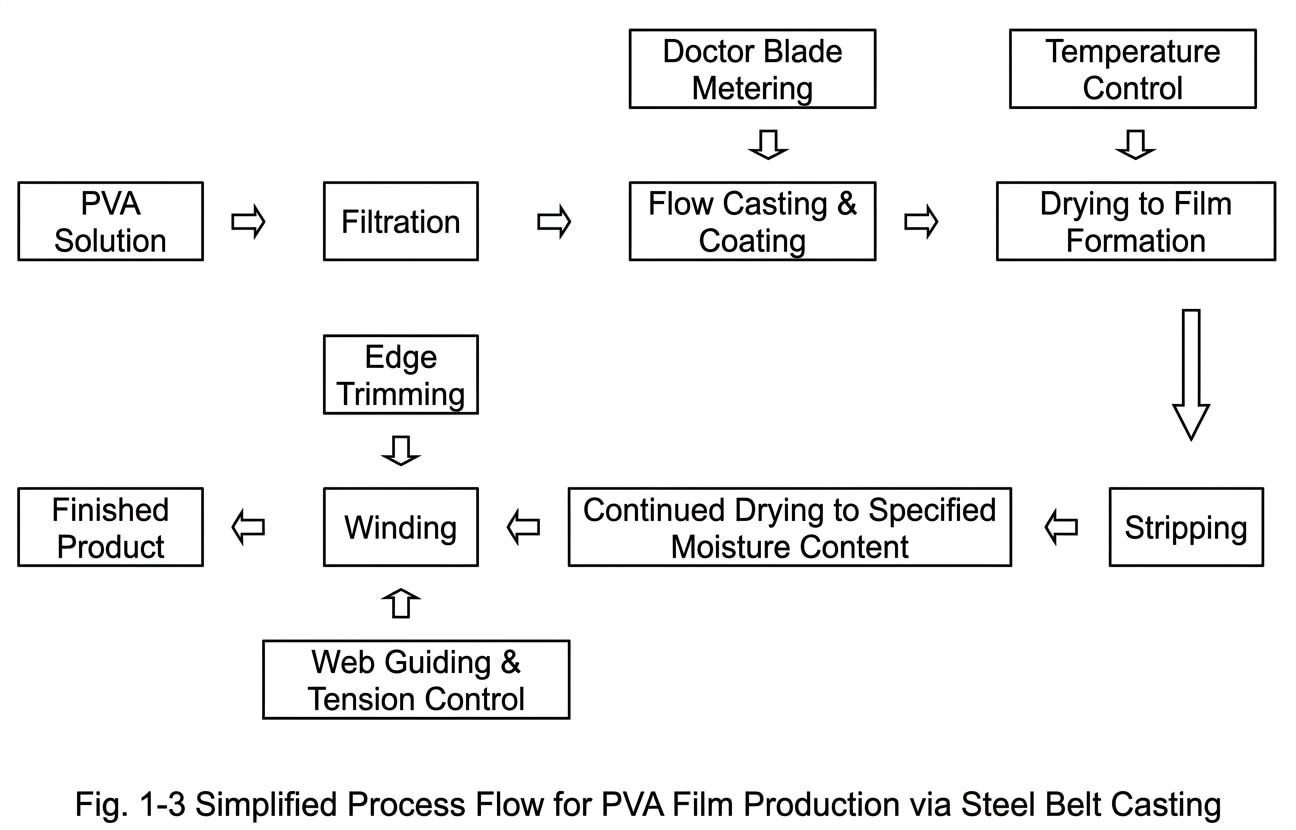
Ленточное литье из стали (ленточнолитье)
Этот метод, также известный как ракельное нанесение или нанесение ножом, является основополагающей технологией для производства водорастворимых пленок. Впервые предложенный Гленном Н. Ховаттом в 1947 году и запатентованный в 1952 году, процесс начинается со смешивания исходного поливинилацетата (ПВА), растворителей и добавок с помощью механического или ультразвукового перемешивания. Затем вводятся разделительные агенты, пластификаторы и другие функциональные добавки для создания стабильного водного коллоидного раствора. После пеногашения в изоляционном резервуаре раствор стекает на ленту-носитель и формируется в зеленую пленку с помощью ножа, после чего поступает в сушильную камеру для испарения растворителя. Конечный водный раствор состоит из пяти основных компонентов: ПВА, воды, разделительных агентов, пластификаторов и функциональных добавок.
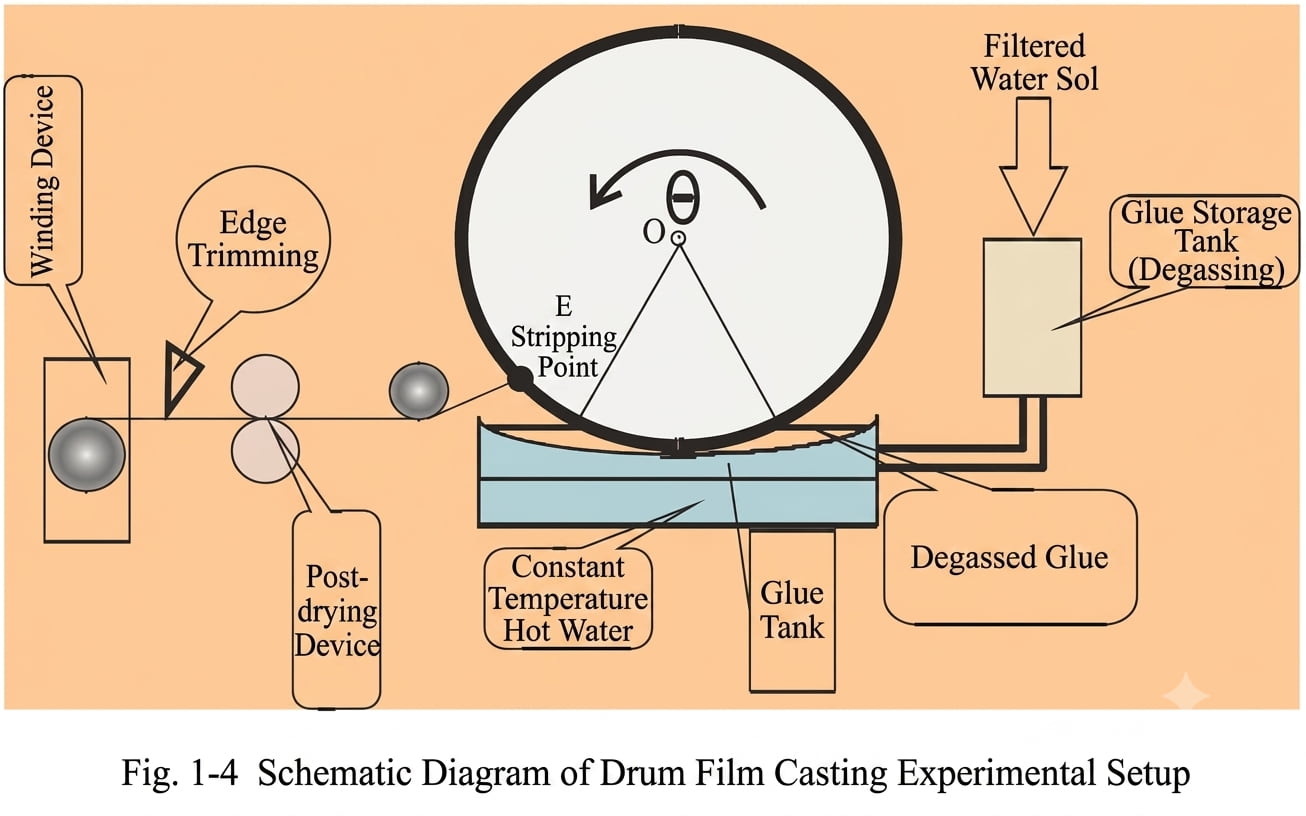
Метод отливки из барабана
Метод барабанного литья использует валик для нанесения разбавленного раствора ПВА непосредственно на непрерывно вращающийся сушильный барабан или ленту, испаряя влагу и образуя сухую пленку. Принципиальное отличие этого метода от ленточного литья заключается в механизме непрерывного нанесения покрытия валиком. Для оптимизации технологических характеристик используются пластификаторы, такие как глицерин. этиленгликольили с низкой молекулярной массой полиэтиленгликоль их часто добавляют в исходный раствор. Производственная линия обычно состоит из системы управления, системы приготовления клея, системы литья/покрытия и системы нагрева.
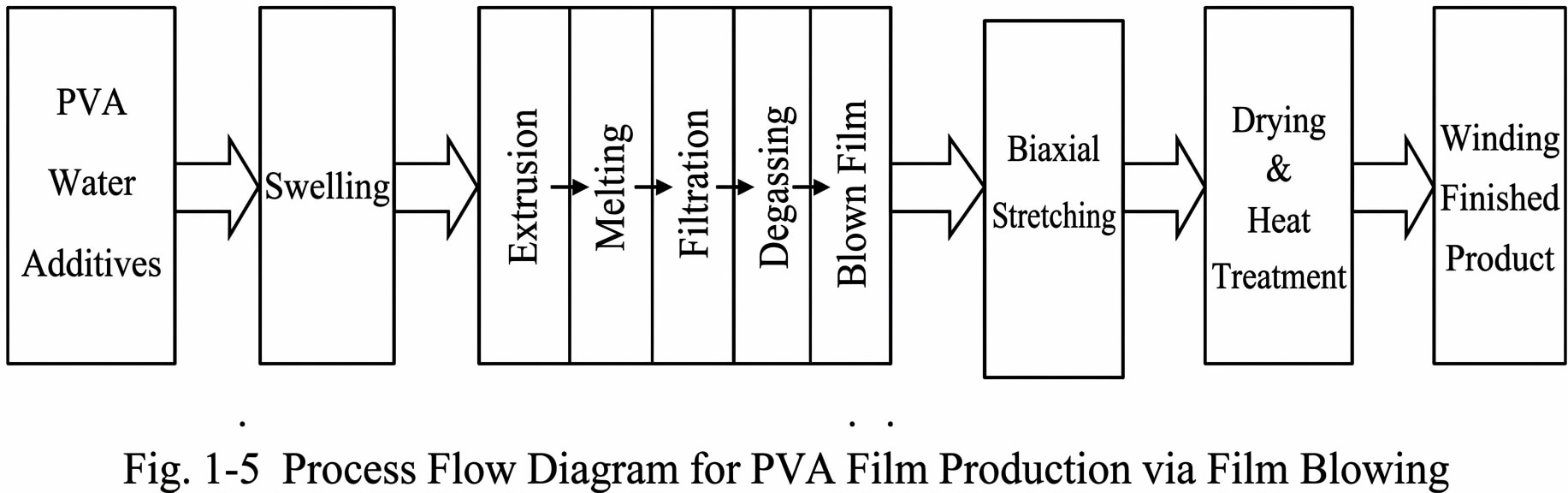
Влажное экструзионно-выдувное формование
Прямое плавление поливинилового спирта (ПВС) представляет собой технически сложную задачу, поскольку его температура плавления составляет от 220 до 240 °C, однако он начинает обезвоживаться и эфирифицироваться при 160 °C и разлагаться при 200 °C. Для решения этой проблемы в методе мокрой экструзии используется ПВС-смола с содержанием воды от 40% до 50% в сочетании с другими добавками для выдувного формования.
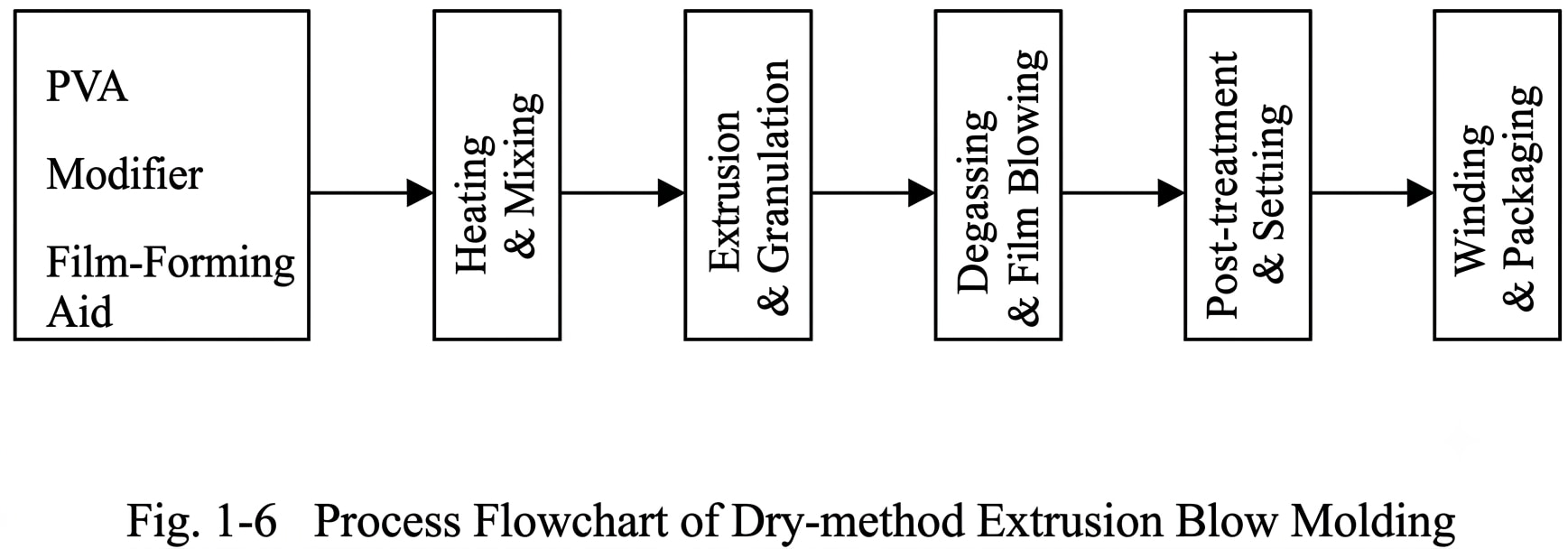
Сухое экструзионно-выдувное формование
В этом инновационном подходе ПВА подвергается вакуумной сушке в течение 24 часов, равномерно смешивается с пластификаторами и пленкообразующими агентами в высокоскоростном смесителе, а затем экструдируется в гранулы с использованием модифицированного одношнекового экструдера Brabender 225. Затем материал депенится, выдувается и заливается в конечный продукт. Полученные таким образом сухие гранулы ПВА также могут использоваться при производстве литьевых полых контейнеров или многослойных соэкструдированных композитных пленок.
Веб-сайт: www.elephchem.com
WhatsApp: (+)86 13851435272
Электронная почта: admin@elephchem.com


 Поддерживается сеть IPv6