
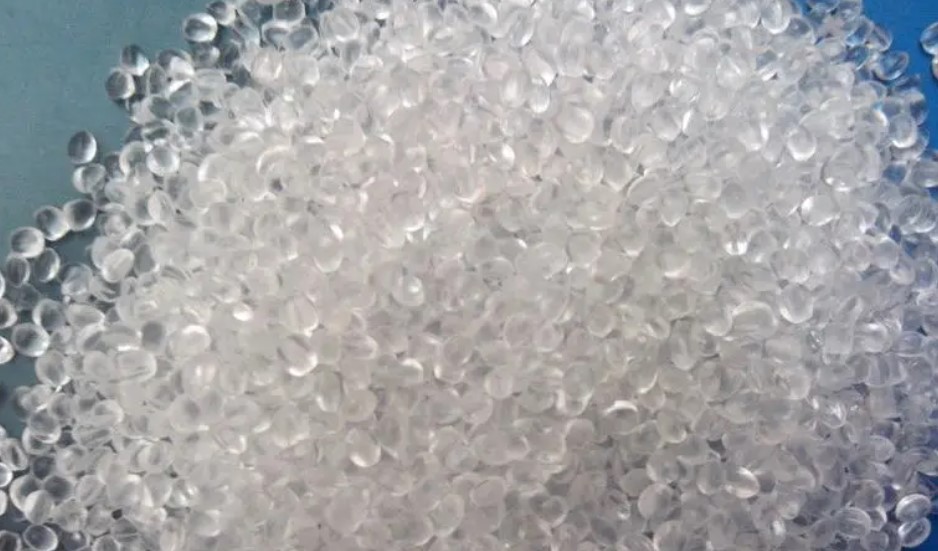
EVA — это аббревиатура от сополимер этилена и винилацетатаЭВА — это сополимер, состоящий из неполярных кристаллических мономеров этилена и сильно полярных аморфных мономеров винилацетата (также известного как ВА). Впервые он был синтезирован в 1928 году американским ученым Х.Ф. Марком с использованием метода низкого давления. Позже, в 1938 году, британская компания ICI Chemicals Company опубликовала патент на полимеризацию под высоким давлением для производства ЭВА, а в начале 1960-х годов компания DuPont в США начала производство промышленной продукции. Сегодня его применение охватывает все аспекты жизни людей, такие как материалы для обуви, пленки, провода и кабели, игрушки, термоплавкие клеи, покрытия и т. д.
1. Процесс синтеза
Содержание винилацетата (ВА) в сополимерах этилена и винилацетата может сильно варьироваться, от 5% до 95%. Различное содержание приводит к различным свойствам, поэтому, строго говоря, существуют разные подкатегории, как показано на рисунке ниже:
Классификация сополимеров этилена и винилацетата | Содержание винилацетата (ВА), массовая доля | Характеристики | |
ЭВА-смола | 5%~40% | При комнатной температуре смола приобретает твердый вид (наиболее распространенный вид). | |
VAE (сополимер винилацетата и этилена) | Резина ЭВА | 40%~80% | Гибкий и эластичный |
| Эмульсия VAE | 70%~95% | Эмульгаторное состояние |
Однако, обычно под изделиями из ЭВА подразумеваются смолы ЭВА с содержанием ВА, как правило, от 5% до 40%. Большинство производителей ЭВА выпускают именно этот тип, поэтому под ЭВА, о котором будет рассказано ниже, подразумевается... ЭВА-смола.
Что касается процесса синтеза ЭВА, то после более чем 50 лет развития в настоящее время существует четыре основных зрелых технологии производства ЭВА как внутри страны, так и за рубежом: непрерывная полимеризация под высоким давлением, суспензионная полимеризация под средним давлением, полимеризация в растворе и эмульсионная полимеризация. Среди них полимеризация в растворе и эмульсионная полимеризация используются реже, большинство компаний применяют процесс непрерывной полимеризации под высоким давлением. Поскольку механизм реакции полимеризации ЭВА под высоким давлением и высокой температурой по существу такой же, как и у ПЭНП, разница между продуктами ЭВА, полученными с использованием автоклавных реакторов и трубчатых реакторов, аналогична разнице между продуктами ПЭНП, полученными с использованием этих двух процессов.
Сравнительные элементы | Трубчатый метод | Метод станций |
Распределение молекулярной массы | Узкий | Широкий |
Распределение филиалов | Немногочисленные и нерегулярные | Многочисленные и однородные |
Молекулярная структура | Несколько длинных ветвей | Много длинных ветвей |
Характеристики | Хорошая механическая прочность | Хорошая эластичность |
Характеристики пенообразования | Немного бедно | Немного превосходящий |
Основные области применения | Тонкие пленки | Пенообразование, Покрытие, Fujibang Electronics |
2 Структурные свойства
По сравнению с полиэтиленом (ПЭ), ЭВА, благодаря введению мономеров винилацетата в молекулярную цепь, обладает пониженной кристалличностью, улучшенной гибкостью, ударопрочностью, а также улучшенными свойствами включения наполнителя и термосварки. Его плотность обычно составляет от 0,91 до 0,93, и он обладает хорошей прозрачностью и блеском.
Свойства ЭВА-смолы в основном зависят от содержания винилацетата (содержание ВА) и скорости потока расплава (СПЖ) в сополимере. При постоянном значении СПЖ изменения различных свойств по мере увеличения содержания ВА следующие:
Повышенная производительность | Снижение производительности |
Плотность | Сила |
Блеск | Твердость |
Гибкость | Тепловая деформация |
Сопротивление растрескиванию под напряжением | Водостойкость |
Низкотемпературная стойкость | Звукоизоляция |
Маслостойкость |
|
При постоянном содержании летучих веществ влияние увеличения значения MFI на характеристики следующее:
Повышенная производительность | Снижение производительности |
Текучесть | Молекулярная масса |
блеск поверхности | Механические свойства |
| Устойчивость к растрескиванию под воздействием окружающей среды |
| Температура размягчения |
Изделия из ЭВА обладают хорошей гибкостью, термостойкостью, ударопрочностью, устойчивостью к растрескиванию под воздействием окружающей среды, хорошими оптическими свойствами, хорошей воздухопроницаемостью, умеренными механическими свойствами и плохими изоляционными свойствами в широком диапазоне температур.
3. Обработка и формование ЭВА
ЭВА — это термопластичный полимер, поэтому его можно использовать в литье под давлением, экструзии, выдувном формовании, каландрировании, ротационном формовании, вакуумном термоформовании, вспенивании, нанесении покрытий, термосварке, сварке и других технологических и формовочных процессах.
EVA имеет низкий диапазон температур формования (160-200℃) и широкий диапазон температур. Температура формования низкая (20-45℃), и материал необходимо высушить перед обработкой (температура сушки 65℃). Во время обработки EVA температура формования и температура материала не должны быть слишком высокими, иначе поверхность будет шероховатой (негладкой).
Изделия из ЭВА склонны к прилипанию к передней части формы; лучше сделать углубление для холодной заготовки у основного литника литника с язычком. При температурах выше 250℃ материал склонен к разложению. Наилучшие условия обработки ЭВА — «низкая температура, среднее давление и средняя скорость».
4 области применения
Применение ЭВА (этиленвинилацетата) проникло во все аспекты жизни людей, например, в обувные материалы, пленки, провода и кабели, игрушки, термоплавкие клеи, покрытия и т. д.
Материалы для обуви
В моей стране наиболее важной областью применения ЭВА-смолы являются обувные материалы. Содержание винилацетата в ЭВА-смоле, используемой в обувных материалах, обычно составляет от 15% до 22%.
Благодаря таким свойствам, как мягкость, хорошая эластичность и устойчивость к химической коррозии, изделия из вспененного материала на основе смолы широко используются в подошвах и подкладочных материалах походной обуви среднего и высокого класса, альпинистских ботинок, тапочек и сандалий; кроме того, этот материал также применяется в звукоизоляционных плитах, гимнастических матах и герметизирующих материалах.
EVA Film
основное применение Фильм ЕВА Компания специализируется на производстве функциональных пленок для теплиц. Функциональные пленки для теплиц обладают высокой устойчивостью к атмосферным воздействиям, противотуманными свойствами и теплоизоляционными свойствами. Поскольку полиэтилен является неполярным веществом, даже при добавлении определенного количества противотуманного агента его противотуманные свойства сохраняются лишь около 2 месяцев; в то время как пленки для теплиц, изготовленные с добавлением определенного количества ЭВА-смолы, не только обладают более высокой светопроницаемостью, но и значительно улучшенными противотуманными свойствами, обычно сохраняя свои свойства более 4 месяцев. Кроме того, ЭВА-смесь может также использоваться для производства упаковочных пленок, медицинских пленок, ламинированных пленок и литых пленок.
Провода и кабели
В связи с непрерывным развитием компьютерной и сетевой техники, а также в целях обеспечения безопасности в компьютерных залах, все чаще используются безгалогенные огнестойкие кабели и кабели, сшитые силаном. Благодаря хорошей совместимости с наполнителями и свойствам сшивания, смола EVA широко используется в безгалогенных огнестойких кабелях, экранированных полупроводниковых кабелях и кабелях, сшитых двухступенчатым силаном. Кроме того, смола EVA также используется для изготовления оболочек для некоторых специальных кабелей. Содержание винилацетата в смоле EVA, используемой в проводах и кабелях, обычно составляет от 12% до 24%.
Игрушки
Смола EVA также находит широкое применение в игрушках, например, в детских колесах и подушках для сидений. В последние годы в нашей стране быстро развивается индустрия производства игрушек, причем производство сосредоточено в прибрежных районах, таких как Дунгуань, Шэньчжэнь и Шаньтоу, в основном для экспорта и переработки.
Термоплавкие клеи
Клеи-расплавы, состоящие в основном из ЭВА-смолы, не содержат растворителей, экологически безопасны и обладают высокой степенью защиты, что делает их идеальными для автоматизированных производственных линий. В последние годы они широко заменили традиционные фениловые клеи и поэтому широко используются в переплетном деле, обработке кромок мебели, сборке автомобилей и бытовой техники, обувном производстве, нанесении покрытий на ковры и антикоррозионных покрытий на металлы. В качестве термоплавких клеев в основном используются разновидности с содержанием винилацетата 25-40%. Хотя отечественная продукция этой марки существует, ее производство практически отсутствует, в результате чего на рынке доминирует импорт.
Фотоэлектрическая промышленность
В настоящее время в индустрии солнечных элементов ЭВА используется для склеивания солнечных элементов с поверхностью фотоэлектрического стекла и задней панелью в кристаллических кремниевых элементах. Благодаря превосходной гибкости, оптической прозрачности и термосвариваемым свойствам, пленки из ЭВА стали предпочтительным материалом для инкапсуляции фотоэлектрических элементов. В связи с быстрым развитием китайского рынка фотоэлектрических элементов, рынок пленок из ЭВА для инкапсуляции солнечных элементов также пережил стремительный рост, привлекая множество компаний к инвестициям и выходу на этот рынок. Однако такой бесконтрольный вход привел к избыточным мощностям и ценовой конкуренции, что повлекло за собой жесткие антидемпинговые меры в солнечной энергетике.
Покрытие
Покрывающие материалы в основном используются для нанесения покрытий на ПЭТ-пленку и БОПП-пленку. Благодаря прозрачности и адгезии ЭВА, они применяются, например, для быстрой герметизации фотографий и запечатывания пакетов для одежды.
Веб-сайт: www.elephchem.com
WhatsApp: (+)86 13851435272
Электронная почта: admin@elephchem.com



 Поддерживается сеть IPv6