
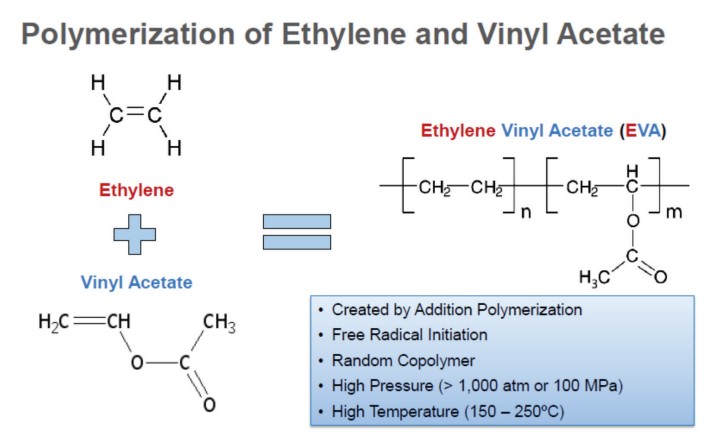
производство сополимеры этилена и винилацетата (ЭВА) Автоклавный процесс — это непрерывный метод полимеризации в больших объемах. В результате этого процесса получается гибкий, но прочный сополимер путем сочетания газообразного этилена с мономером винилацетата (VAM) в экстремальных условиях. Автоклавный процесс широко используется для производства высококачественных марок ЭВА, таких как полимеры с высоким содержанием VAM, применяемые в герметиках для солнечных элементов и термоплавких клеях, благодаря возможности точного контроля распределения молекулярной массы и стабильности процесса.
Механическая анатомия процесса автоклавирования
В основе автоклавного процесса лежит толстостенный реактор с интенсивным перемешиванием, работающий при давлении, как правило, от 1500 до 2500 бар. В отличие от предсказуемого одностороннего «поршневого потока» трубчатого реактора, автоклавный реактор создает среду с интенсивным обратным перемешиванием.
Многозонный контроль температуры: современные автоклавы разделены на несколько температурных зон, что позволяет использовать независимые профили инициирования и впрыска.
Предотвращение загрязнения: Активный механический мешатель постоянно перемешивает внутренние стенки, предотвращая прилипание высоковязких и высокополярных полимеров к внутренней поверхности реактора. Это позволяет безопасно производить специальные смолы, которые легко засорили бы или загрязнили стандартный трубчатый контур.
Сверхвысокий индекс плавления и высокое содержание поливинилацетата.
Хотя технические характеристики, например, продукции премиум-класса, иногда оцениваются в сравнении с трубчатыми конструкциями, именно эти физические свойства прекрасно иллюстрируют, почему автоклавный процесс остается технически незаменимым для высококачественных составов.
Разнообразные области применения автоклавного ЭВА
А. Пленка для инкапсуляции фотоэлектрических элементов (ФЭИ).
Солнечная энергетика предъявляет абсолютные требования к надежности. Листы из ЭВА, используемые для герметизации солнечных элементов, должны обладать высокой оптической прозрачностью, устойчивостью к УФ-излучению и превосходной термической стабильностью. Автоклавированный ЭВА (обычно с содержанием поливинилацетата от 28% до 33%) обеспечивает точный реологический контроль и низкое содержание геля, необходимые для обеспечения ламинирования без пузырьков и длительной эксплуатации солнечных панелей на открытом воздухе.
Б. Термоплавкие клеи (HMA)
Для химиков-разработчиков рецептур автоклавный ЭВА является золотым стандартом. Его широкое распределение молекулярной массы обеспечивает широкий диапазон рабочих температур и превосходную совместимость с липкими смолами и восками. Высококачественные марки ЭВА, полученные в автоклавах, обеспечивают высокую липкость, гибкость и прочное сцепление с подложкой, необходимые в упаковке, переплетном деле и автомобильной промышленности.
C. Компаунды для проводов и кабелей
В электротехнической отрасли ЭВА широко используется в безгалогенных огнестойких компаундах для кабелей. Способность этого автоклавного полимера принимать чрезвычайно высокие концентрации наполнителя (например, тригидроксида алюминия или гидроксида магния) без ущерба для технологичности делает его критически важным для производства безопасных, гибких и огнестойких кабелей.
Веб-сайт: www.elephchem.com
WhatsApp: (+)86 13851435272
Электронная почта: admin@elephchem.com



 Поддерживается сеть IPv6